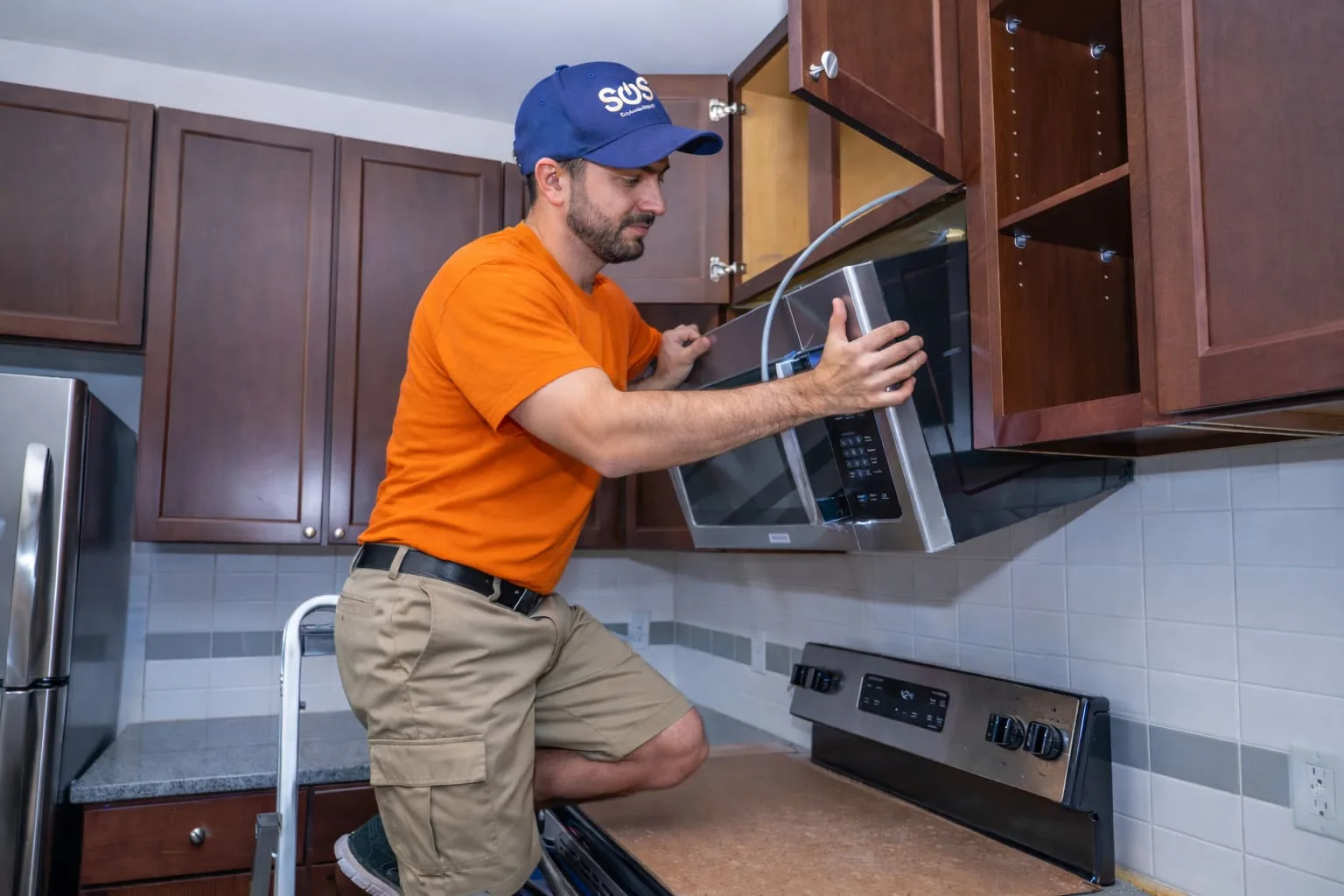
When a new appliance gets installed, most people are focused on one thing: getting it working. The technician connects the hoses, plugs it in, runs a test cycle, and that’s usually the end of the conversation. What doesn’t always get discussed is how the appliance is positioned — and how that positioning affects everything from its efficiency to its lifespan.
Installation isn’t just about making something fit into a space. It’s about making sure the appliance can do its job properly for years to come.
Clearance and Ventilation Are Not Optional
Every appliance has minimum clearance requirements — the amount of space it needs around it to operate safely and efficiently. These aren’t suggestions. They’re based on how the appliance manages heat, airflow, and moisture.
A dryer needs space behind it for the exhaust hose to route without being crushed. A refrigerator needs room around its sides and back to release heat from its condenser coils. A washer needs enough space to vibrate without being pressed against another surface.
When appliances are installed in tight spaces — laundry closets, narrow alcoves, or cramped utility rooms — these clearance requirements are often the first thing that gets compromised. The appliance fits, it runs, and nobody thinks twice about it. But over time, restricted airflow and heat buildup quietly reduce performance and shorten the life of the unit.
The Floor and Surface Matter Too
Appliances like washers and dryers are heavy and they vibrate during operation. If they’re not on a level, stable surface, that vibration can loosen connections, wear down components faster, and even cause the unit to move out of position over time.
A washer that’s not properly leveled will also distribute water unevenly during a spin cycle. That puts extra stress on the drum bearings and suspension system — parts that are expensive to replace when they wear out early.
Gas Connections Require Careful Attention
If your appliance uses a gas connection — a dryer or a range, for example — the way that connection is made matters enormously. A gas line that isn’t properly sealed or that has been reconnected without the right fittings can leak. Gas leaks are dangerous, and they’re not always easy to detect without the right equipment.
Gas appliance installations should always be done by a certified technician, and the connections should be inspected periodically — especially if the appliance has been moved or if any work has been done in the area around it.
Water Connections and Drainage
Washers and dishwashers depend on proper water connections and drainage to function correctly. A supply hose that’s kinked, a drain line that isn’t pitched correctly, or a connection that’s only partially tightened can all lead to leaks — sometimes immediately, sometimes months later.
Proper installation also means making sure the drain line has the right amount of slope so water flows out on its own. A flat or incorrectly angled drain can cause water to back up, which leads to standing water inside the machine and, eventually, odor and mold problems.
What This Means If You’re Moving an Appliance
If you’re relocating an appliance — even just pulling it forward to clean behind it — it’s worth paying attention to how it goes back into place. Make sure the hoses aren’t kinked, the unit is level, and there’s still adequate clearance around it.
- Check that all hose connections are secure and not visibly stressed or bent at sharp angles.
- Verify the appliance is level — most units have adjustable feet for this purpose.
- Make sure there’s at least the manufacturer-recommended clearance on all sides.
- If the appliance uses gas, don’t reconnect the line yourself — have a professional verify the connection.
A properly installed appliance runs more efficiently, lasts longer, and is less likely to cause problems down the road. It’s one of those things that’s easy to overlook once everything is up and running — but it’s worth getting right from the start.