
A refrigerator runs around the clock — every single day, without a break. It’s one of the few appliances in your home that never gets turned off. Because of that, the small things that affect its performance tend to add up quietly, in ways you might not notice until something bigger goes wrong.
Most of what’s slowing your refrigerator down isn’t complicated. It’s just the kind of maintenance that doesn’t cross most people’s minds.
The Door Seal Is Probably Not as Tight as You Think
The rubber seal around your refrigerator door keeps cold air inside and warm air out. It’s doing that job every time you open and close the door — dozens of times a day. Over time, the seal stretches, flattens, and loses its grip.
A simple test: close the door on a piece of paper. If you can pull the paper out without much resistance, the seal isn’t holding properly. A loose seal means your refrigerator’s compressor is running more often than it needs to, working to compensate for the cold air that’s escaping. That translates directly into higher energy use and more wear on the compressor over time.
The Condenser Coils Are Probably Dusty
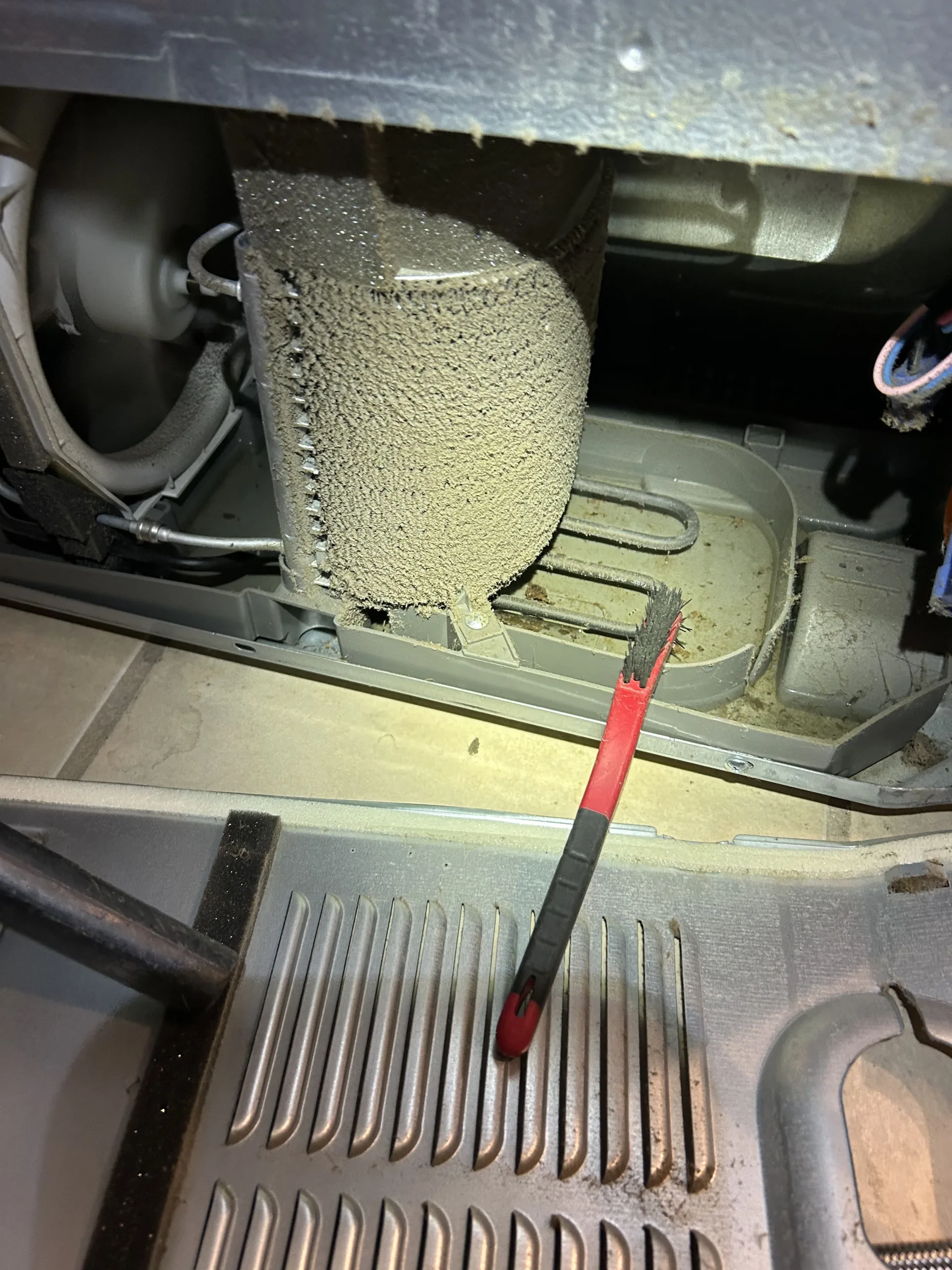
Most refrigerators have condenser coils — either on the back of the unit or underneath it behind a removable panel. These coils release the heat that the refrigerator pulls out of your food. When they get coated in dust, pet hair, or debris, they become less efficient at releasing that heat.
The result is that the compressor has to run longer and harder to maintain the same temperature inside. It’s one of the most common reasons refrigerators use more energy than they should, and it’s one of the easiest things to address. A vacuum with a brush attachment and a few minutes of your time can make a noticeable difference.
The Temperature Setting Matters More Than You’d Expect
Many people set their refrigerator temperature once and never think about it again. But the ideal range for a refrigerator is between 35 and 38 degrees Fahrenheit. Setting it colder than that doesn’t just waste energy — it can cause food to freeze unevenly and makes the compressor work harder than necessary.
If your refrigerator has been set to a very low temperature for a long time, bringing it back into the recommended range can reduce energy consumption noticeably.
What’s Around the Refrigerator Also Matters
A refrigerator needs space around it to release heat properly. If it’s pushed tightly against a wall, tucked into a corner with no airflow, or placed next to a heat source like an oven or a sunny window, it has to work harder to stay cool.
Even a few inches of clearance on the sides and back can make a difference in how efficiently the unit operates — especially in warmer months.
When Simple Maintenance Isn’t Enough
If your refrigerator is running constantly, making unusual noises, or not cooling as well as it used to — and the basics like the door seal, coils, and temperature setting all check out — there may be something going on internally that’s worth having a professional look at. Compressor issues, refrigerant problems, and thermostat malfunctions are all things that require hands-on diagnosis.
Keeping up with the basics extends the life of the appliance and keeps your energy bills where they should be. But knowing when to call for help is just as important as knowing what to maintain.